
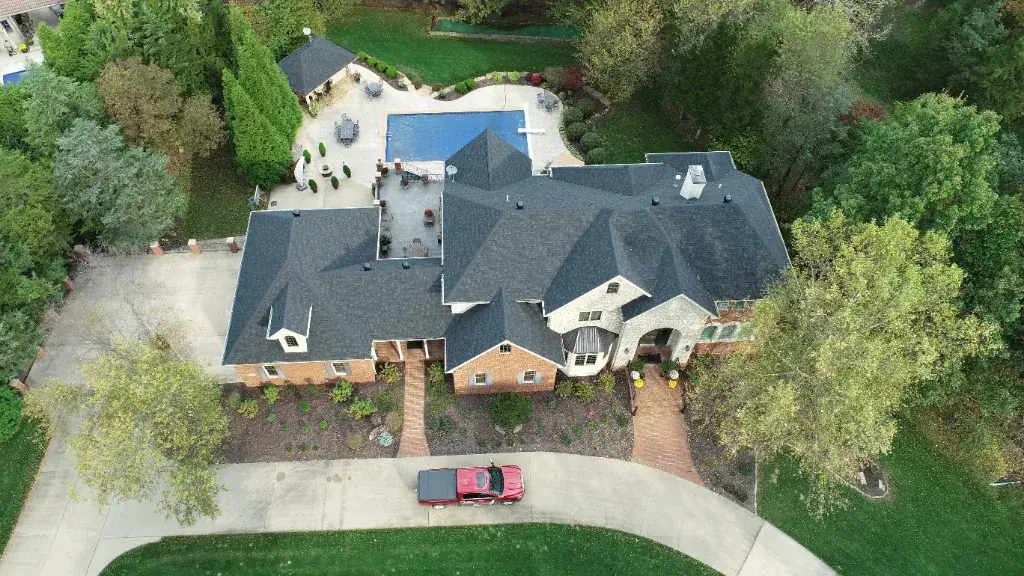
Missouri's climate presents a unique roofing challenge: scorching 100°F summers, hailstorms that can drop baseball-sized ice, straight-line winds exceeding 80 mph, and winter freeze-thaw cycles that stress every material. Not all roofing products perform equally here. Here's how each major material stacks up against Missouri's specific conditions.
Missouri's 4 Climate Stressors
Summer Heat
Attic temps up to 160°F, degrades asphalt binders
Hailstorms
Multiple events/year, up to golf ball size
High Winds
60–80+ mph straight-line winds in storms
Freeze-Thaw
Winter cycling stresses membranes and flashing
Material-by-Material Breakdown
Architectural Asphalt Shingles
Best for: Most Missouri homeowners
20–30 yrs
Hail
★★★☆☆
Heat
★★★☆☆
Cold
★★★★☆
Wind
★★★★☆
The default choice for residential Missouri roofing — and for good reason. Architectural shingles offer a strong balance of cost, performance, and availability. Upgrade to Class 4 impact-resistant for better hail protection.
Metal Roofing (Standing Seam)
Best for: Long-term homeowners, hail-prone areas
40–70 yrs
Hail
★★★★★
Heat
★★★★★
Cold
★★★★★
Wind
★★★★★
The best performing material for Missouri's climate. Metal sheds hail without bruising, reflects heat, and handles freeze-thaw cycles without cracking. Higher upfront cost pays back over the roof's lifespan — and many insurers offer discounts.
Composite / Synthetic Shingles
Best for: Homeowners wanting premium aesthetics
30–50 yrs
Hail
★★★★★
Heat
★★★★☆
Cold
★★★★☆
Wind
★★★★★
Composite shingles replicate slate or wood shake with polymer materials. Class 4 impact ratings are standard, making them excellent for hail-prone areas. A premium middle ground between asphalt and metal.
TPO (Flat/Commercial)
Best for: Commercial buildings, flat roofs
15–25 yrs
Hail
★★★☆☆
Heat
★★★★★
Cold
★★★☆☆
Wind
★★★☆☆
The standard for flat commercial roofing in Missouri. White TPO membranes reflect significant heat, reducing cooling costs. Vulnerable to hail puncture — membrane thickness matters. Not suitable for sloped residential roofing.
EPDM (Rubber, Flat)
Best for: Low-slope commercial, additions
15–25 yrs
Hail
★★★☆☆
Heat
★★★☆☆
Cold
★★★★★
Wind
★★★☆☆
EPDM excels in cold climates — it stays flexible even in Missouri winters, making it ideal for low-slope areas prone to ponding water and freeze-thaw stress. Black surface absorbs heat, which can be a disadvantage in summer.
SRA's Recommendation for Missouri Homeowners
For the vast majority of Missouri residential homeowners, the recommendation is:
Class 4 impact-resistant architectural shingles (Owens Corning Duration Storm, IKO Armourshake, or CertainTeed Landmark IR)
Standing seam metal roofing — especially if you plan to stay in your home 15+ years
Standard architectural shingles from a certified contractor — never 3-tab in a hail-prone area
TPO (60-mil minimum) for heat reflection or EPDM for cold climates with low slope