Pitch
We check whether each gutter run slopes correctly toward the downspouts instead of allowing water to sit in low spots.

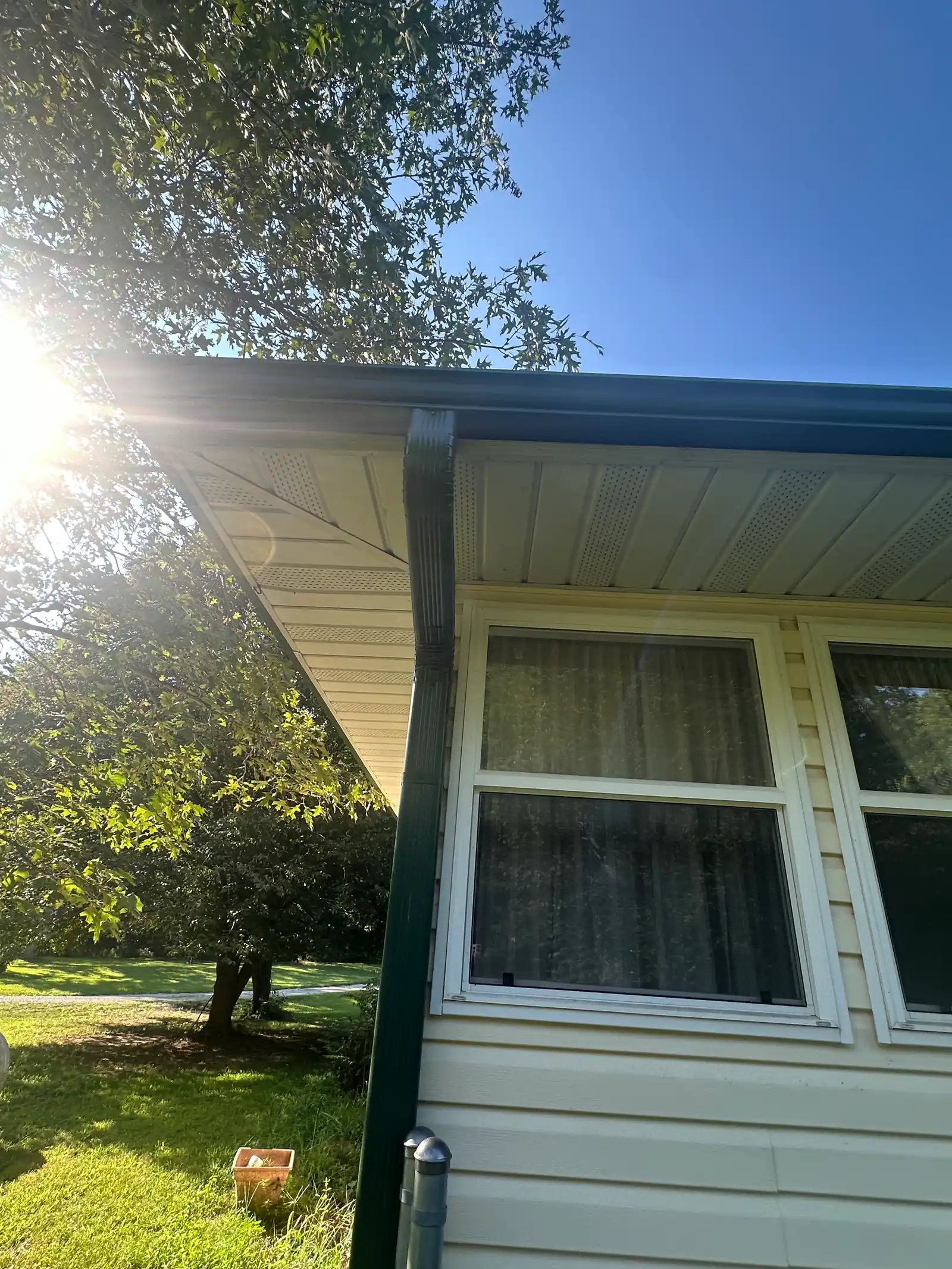
A gutter inspection checks whether the system is securely attached, pitched correctly, and moving water where it should. SRA documents what is working and what needs attention.
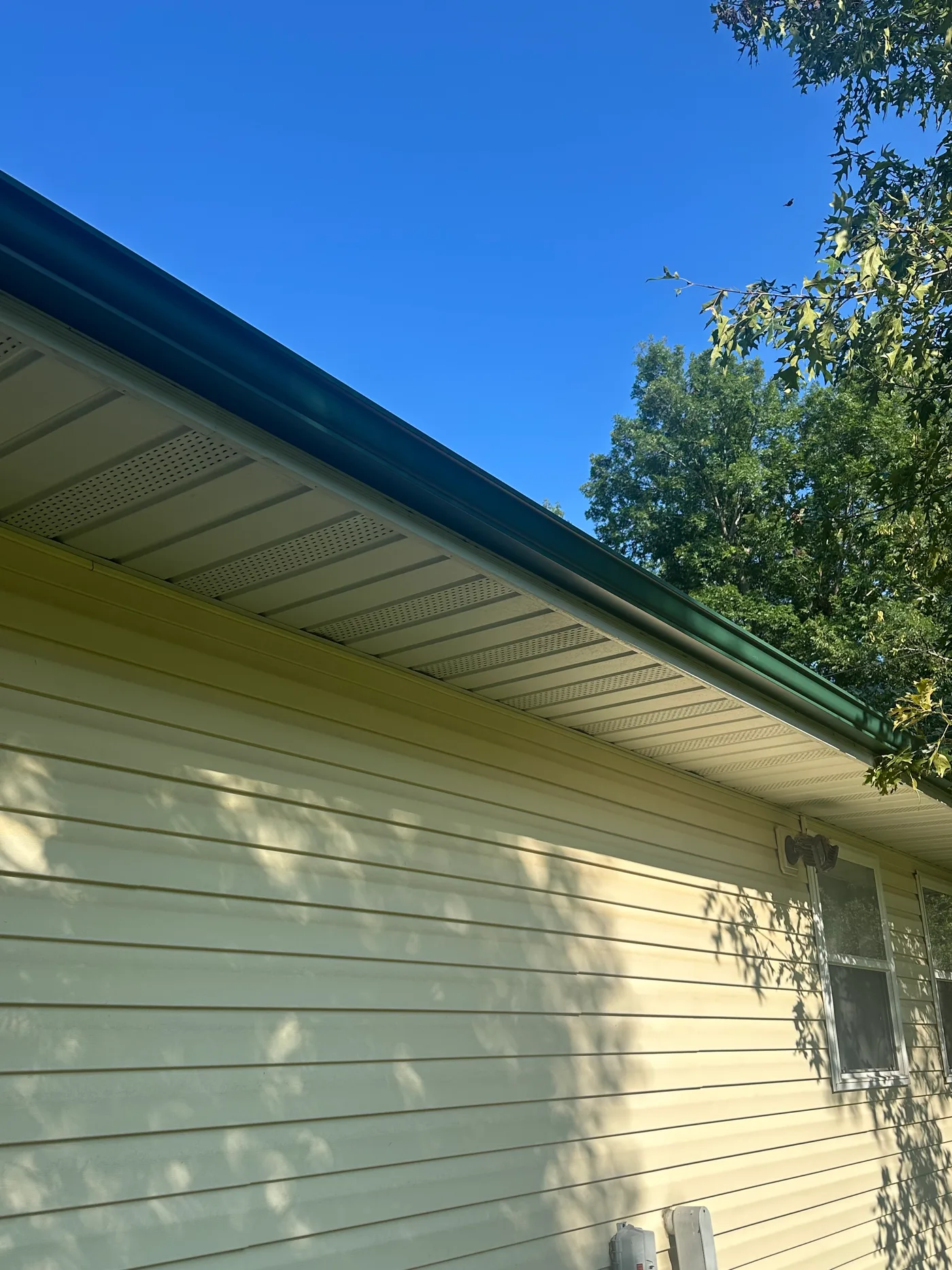
A gutter system can look fine from the ground and still have loose hangers, poor pitch, damaged fascia, or drainage problems that only show up when you look at the full system.
SRA checks the gutters, downspouts, fascia, attachment points, and where the water actually goes once it leaves the roof. We look for what is working, what is beginning to fail, and whether a problem can be repaired before it turns into something larger.
You also get documentation of what we find, including photos and a clear explanation of whether the system needs repair, replacement, or no work at all.
That gives you a useful record of the gutter system's condition, whether you are checking on an older system, looking at possible storm damage, or evaluating a home before you buy it.
“We had a great experience with Storm Restorations, especially with Matthew! He was polite and thorough; he came to check on the roof and gutter work during and after completion. Our new roof and gutters look fantastic!”
SRA checks the full gutter system, including:
We check whether each gutter run slopes correctly toward the downspouts instead of allowing water to sit in low spots.
Joints and corners are checked for separation, gaps, and failing sealant.
We look for loose, failing, or poorly spaced hangers that can allow the gutter to sag or pull away from the home.
The wood behind and underneath the gutter is checked for visible staining, rot, or soft areas that could affect how securely the system can be attached.
We confirm that downspouts are clear and able to move water through the system.
We also look at where the water goes once it leaves the downspout and whether it is being carried away from the home.
A gutter can look fine while it is empty and still have problems once water starts moving through it.
When appropriate, we run water through the system and watch how it drains. This can reveal pooling, slow drainage, overflow points, blocked downspouts, or discharge problems that are difficult to spot during a visual check alone.
After the inspection, you will have:
A clear recommendation on whether the system needs repair, replacement, or no work at all
If storm damage is part of the reason for the inspection, SRA can document what we find and explain the roofing and gutter details involved. Coverage and claim decisions remain with the homeowner and insurance carrier.
Not necessarily.
A gutter inspection can stand on its own. If you are also concerned about the roof, especially after a storm or before buying a home, SRA can inspect both systems during the same visit.
You choose what gets inspected. A gutter-only request does not automatically turn into roofing work you did not ask for.
“We would absolutely hire SRA Roofing & Gutter again and recommend them to all our family and friends. Our project manager (Anthony and Nicholas) kept us informed from the initial quote to the final inspection. The initial quote was accurate with no added fees, and they keep us updated through the process. SRA insurance specialist (Chris) worked with our insurance adjustor on getting the additional storm damaged gutters replaced. SRA office staff (Bailey, Meagan and Alexceia)) were always polite, professional and directed our question to the appropriate team member. The roofing crew did a great job on the installation of the new roof, and the gutter team (Damian's team) was A+. Our new roof, skylights and gutters look fantastic.”
A gutter inspection can stand on its own. When roof condition is also a concern, SRA can complete a separate roof inspection and document both systems during the same visit.
You choose the scope. SRA does not turn a gutter-only request into roofing work you did not ask for.
Schedule a visit to document the roof and review options.
Issues that are not always obvious from the ground: incorrect pitch causing pooling, hangers that are loose or failing, seams starting to separate, fascia damage hidden behind the gutter, and downspouts that discharge too close to the foundation. Water testing during the inspection often reveals problems a visual check alone would miss.
Receive clear findings and next steps for cleaning, repair, drainage changes, or replacement.