
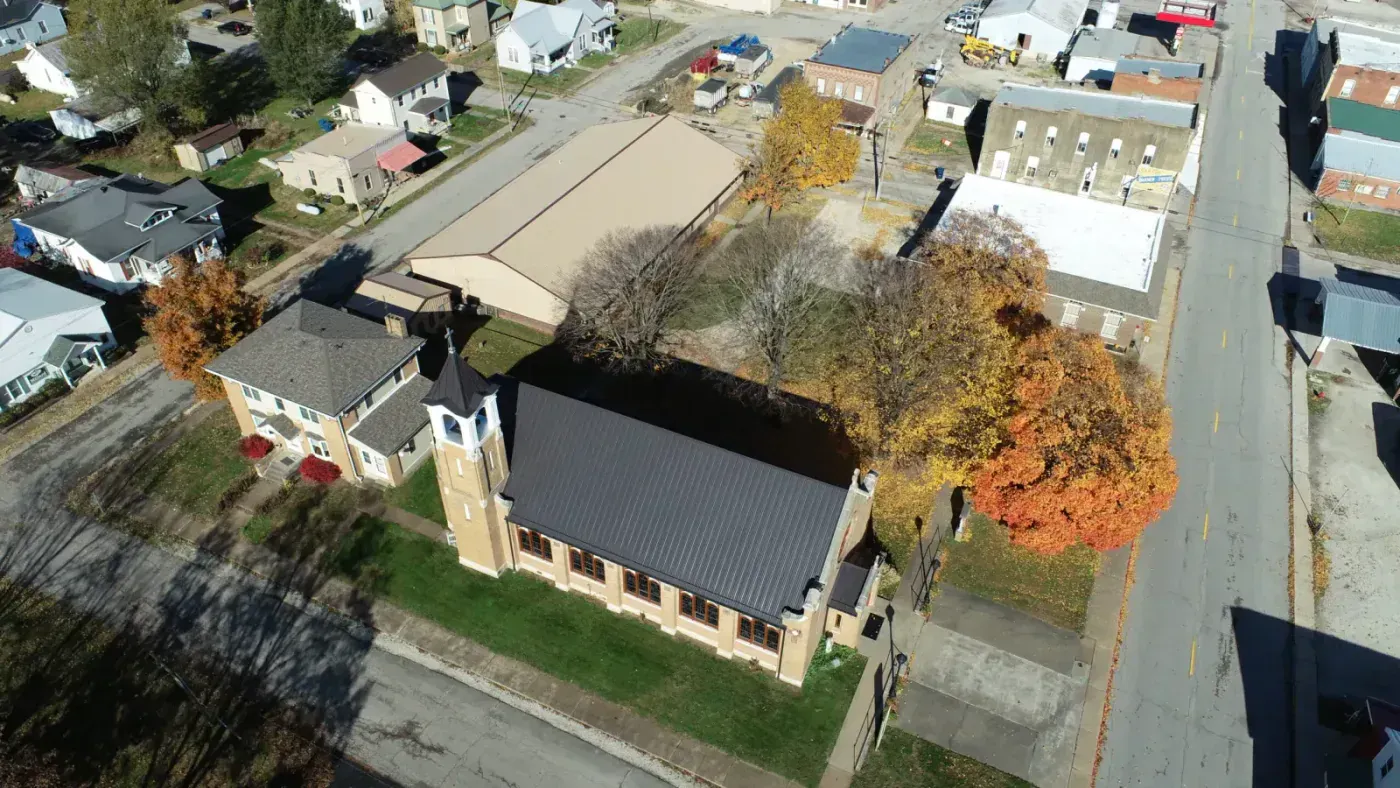
Standing Seam Metal Roofing | Springfield, Missouri
Standing Seam Metal Roofing in Springfield, MO
Standing seam performance depends as much on fabrication and installation as it does on the panel. SRA evaluates the roofline, explains available profiles and finishes, and installs the concealed-fastener system with careful attention to seams and transitions.
Why SRA Recommends Standing Seam for Springfield Homeowners
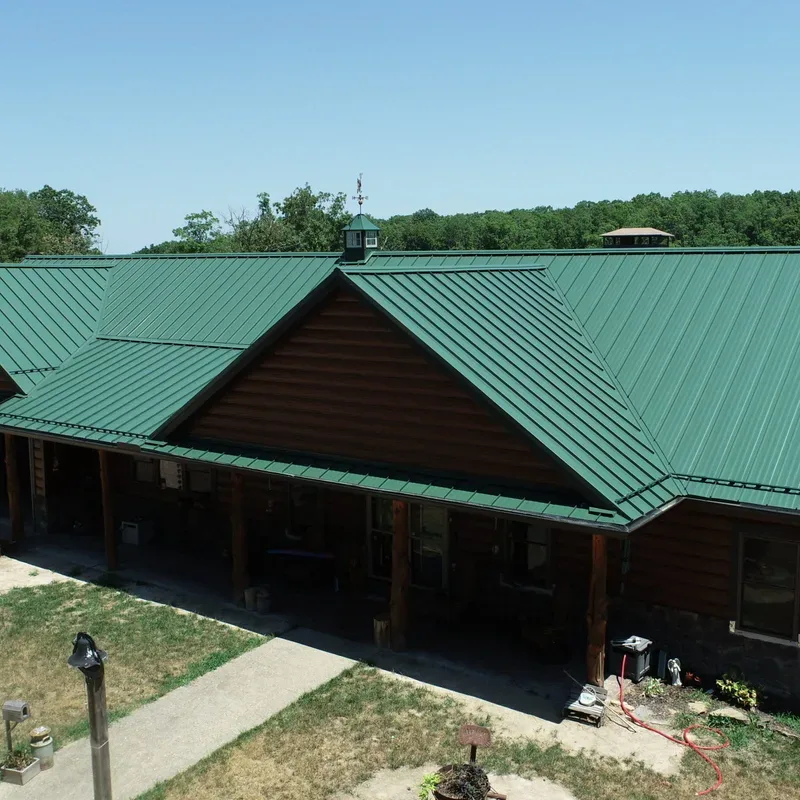
Standing seam metal roofing in Springfield uses interlocking raised seams and concealed fasteners to create a clean, durable roof system. SRA helps you compare the available panel, seam, finish, and roofline considerations, then builds the system around the actual structure rather than a generic material package.
Standing seam panels are typically formed to length and locked together with mechanically seamed or snap-lock joints. This precision work depends heavily on the crew doing it, not just the panel itself.
We run the equipment needed to form panels correctly and have installed standing seam across a range of Springfield rooflines. Standing seam is a long-term roof system, which makes local accountability important. Not all projects are best fit for standing seam. SRA will share when a simpler metal system may fit an outbuilding or budget better.
“SRA Roofing & Gutters did a phenomenal job on my house! Megan and Nathan were very helpful throughout the process. They even worked around the fact that I have solar panels on my roof, ensuring that they were uninstalled and reinstalled properly on the new roof. Overall, it was everything I’d expect to receive from a solid roofing company. 10/10 would roof again.”
Is Standing Seam Worth It for Your Home?
Standing seam usually costs more upfront than asphalt shingles, and it isn't automatically the right answer. Whether it pays off depends on how long you plan to own the home, how much the low-maintenance side matters to you, and how complicated your roofline is.
SRA gives you both sides of that on-site — what the project would actually cost on your roof, and whether a different system would serve you better. If standing seam doesn't fit the home or the budget, we'll say so.
Noise, Lightning, and Other Myths
Rain noise and lightning are two common concerns homeowners have about residential metal roofing.
Rain noise: Residential standing seam is installed over solid decking and underlayment, which helps reduce sound compared with an open-framed metal roof.
Lightning: A metal roof does not make your home more likely to be struck by lightning. Metal roofing is noncombustible, but the home still needs the same appropriate lightning and electrical protections as any other structure.
What Standing Seam Actually Is
Standing seam panels run continuously from eave to ridge, with raised seams connecting each panel to the next. The fasteners that hold the panels in place are concealed underneath those seams, keeping them protected from the weather.
That concealed-fastener design is one of the biggest differences between standing seam and the ribbed metal panels commonly used on barns and outbuildings.
Standing Seam vs. Exposed Fastener
The biggest difference between these systems is how the panels are attached and how much maintenance that attachment can require over time.
Exposed-fastener panels: Often a practical fit for barns, shops, and budget-driven projects, but the screws and washers remain exposed to the weather.
Standing seam panels: Keep the fasteners concealed and protected, which removes those exposed penetration points and makes the system a strong option for long-term residential use.
Exposed-fastener roofs use screws driven directly through the metal panel and sealed with rubber washers. Over time, those washers can age, crack, or shrink, creating potential leak points.
Standing seam avoids those exposed penetrations by keeping the fasteners hidden beneath the panels. The practical payoff is a roof with far fewer places to leak and very little to keep up with — no exposed screws or rubber washers to dry out, crack, and start weeping ten or fifteen years in.
Panel Profiles and Seam Types
Standing seam is not one uniform product. The panel profile and seam type both affect how the roof looks, performs, and is installed.
Snap-lock panels interlock without additional mechanical crimping, which can make installation faster and slightly lower the overall cost.
Gauge and Finish
Panel thickness and coating quality affect dent resistance, appearance, and how well the finish holds up over time.
SRA reviews the available choices with you and explains where each option makes sense for your roof.
“I highly recommend SRA. Austin and the staff is fantastic. I wanted a specific color of roof and he went the extra step to ensure I got exactly what I wanted. This is the 4th time we’ve used this company and everyone I’ve referred them to has also been very satisfied. Great customer service all around.”
The SRA Advantage
The SRA Advantage begins with SRA’s first roof inspection or roofing service visit to your home. You receive two documented roof inspections each year, free for life.
When SRA performs roofing work on your home, one year of workmanship support is included for that work. The lifetime inspections help catch developing roof problems early and preserve a dated record of the roof’s condition before future storms.
Frequently Asked Questions
Sometimes, depending on deck condition and how many layers of shingles are already there. We check the deck and existing roofing during your estimate to confirm whether an overlay is realistic or a tear-off is the better call.
Plan a Standing Seam Roof Around Your Home
Explore your options, talk through your concerns, and schedule a free inspection to start.
Related Services