
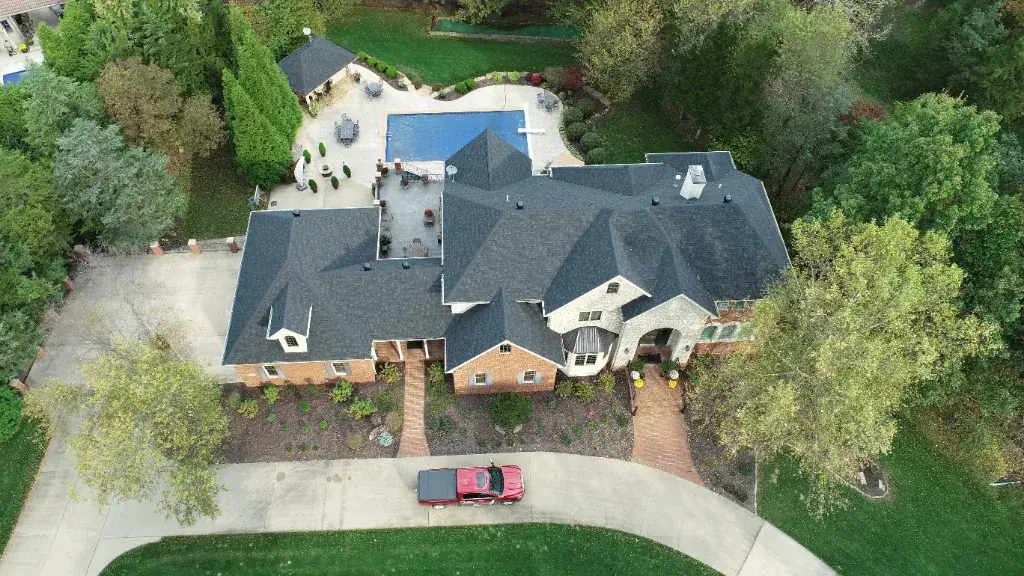
A missing shingle. A slow leak around a pipe boot. A failing piece of flashing. These feel like small problems — and they are, right up until they aren't. Here's what we've seen happen when Missouri homeowners delay a simple roof repair by one, two, or three seasons.
The Key Problem with Roof Damage
Roof damage doesn't stay contained. Water follows the path of least resistance — from a compromised shingle to the deck, to insulation, to ceiling drywall, and eventually to framing. Each system it touches adds cost. What starts as a roofing problem becomes a structural and air quality problem.
The Cost Escalation Timeline
Minor shingle damage or small leak
$300–$800
Low
A few missing shingles, a cracked pipe boot, or minor flashing separation. Fix now and the damage ends here. This is a simple repair most licensed roofers can complete in a few hours.
Deck saturation begins
$1,500–$4,000
Moderate
Water has now soaked the plywood or OSB sheathing. Saturated deck must be replaced — it cannot dry out and regain structural integrity. Each water-damaged sheet of sheathing adds $75–$150 to the repair bill on top of the original fix.
Insulation damage
$2,000–$6,000
Significant
Attic insulation soaks up water like a sponge, losing all R-value and becoming a moisture reservoir. Wet insulation must be removed, the attic dried out, and new insulation installed. This also elevates mold risk.
Mold colonization
$3,000–$15,000+
Serious
Mold grows in moist, dark attic spaces within 24–48 hours of persistent moisture. Once established, it can spread to wall cavities and framing. Professional mold remediation in Missouri costs $3,000–$15,000 and takes 3–7 days. Some insurance policies do not cover mold caused by neglected maintenance.
Structural framing damage
$8,000–$30,000+
Critical
At this stage, the roof rafters, ridge board, and wall framing have been absorbing moisture for years. Rotted structural members must be sistered or replaced — often requiring a licensed structural engineer. This is no longer a roofing project; it's a full structural renovation.
The Insurance Complication
Here's the part most homeowners don't know: if your insurance company can prove the damage resulted from neglected maintenance rather than a sudden storm event, they can deny the claim entirely. Insurance covers sudden and accidental losses — not gradual deterioration caused by deferred repairs.
Documenting regular inspections and addressing known issues promptly is your best protection against a denied claim. SRA keeps records of every inspection we perform.
Simple Prevention: The $0 Move
The single most cost-effective thing a Missouri homeowner can do is schedule a free annual inspection after storm season (typically June–September in the Ozarks). Most damage that leads to major costs starts as something a roofer can fix in an hour.
- Inspect after any storm with hail larger than dime-size or winds over 50 mph
- Check your gutters for granule accumulation after each storm — it's a leading indicator of shingle breakdown
- Have pipe boots and flashing checked every 3–5 years — these fail before shingles do
- Inspect the attic after heavy rain for daylight or drip marks on the deck