
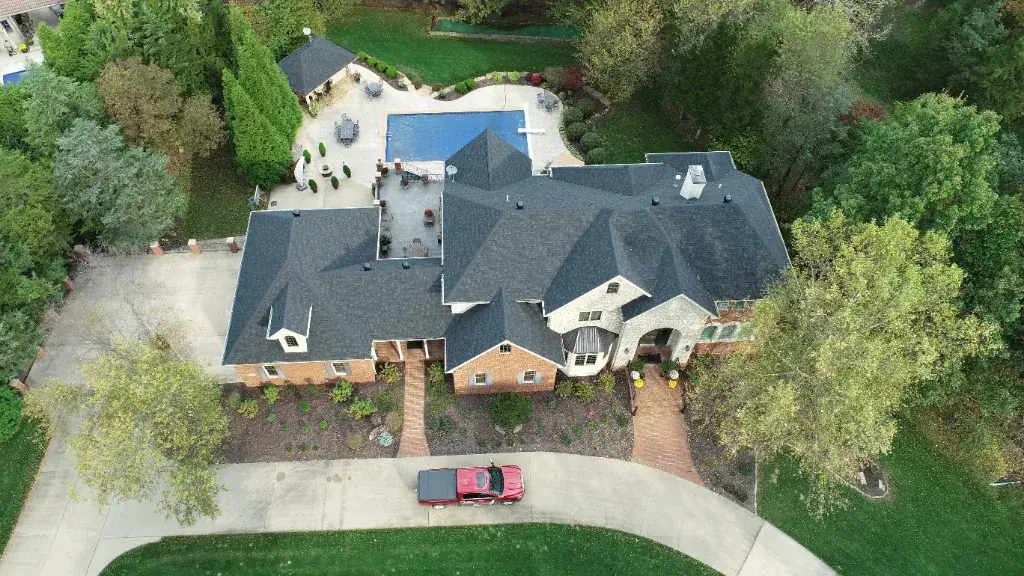
Springfield, Missouri isn't just any mid-size city — it's in one of the most demanding roofing environments in the United States. Sitting at the northern edge of the Ozarks, at the convergence of Gulf moisture and cold continental air masses, the Springfield metro experiences a concentration of severe weather that most national roofing guides simply don't account for. Here's what every local homeowner should know.
Springfield's Storm Profile
10–20+
Hail events/year
Apr–Jun
Peak storm season
112 mph
Max wind on record
44 inches
Avg annual rainfall
Springfield sits in what meteorologists call a "hail alley" extension — the same atmospheric setup that produces frequent tornadoes in Kansas and Oklahoma delivers damaging hail and severe thunderstorms to the Ozarks with regularity. Combine this with 100°F summer heat that degrades asphalt binders, and a roof in Springfield ages faster than the same product installed in a temperate climate.
The Most Common Roofing Failures in Springfield
Granule loss from repeated hail impacts
The most widespread issue SRA sees in the Springfield metro. Even sub-damaging hail (under 1 inch) strips granules over time, exposing the asphalt mat to UV and dramatically shortening shingle life. Many homeowners don't realize their roof has lost years of life from cumulative small hail events.
Seal strip failure from high heat
Asphalt shingles use a heat-activated adhesive strip to seal tabs together. Springfield's extreme summer heat — attic temperatures commonly reach 150–160°F — can cause seal strips to fail prematurely, particularly on south and west-facing planes that receive the most solar exposure.
Wind uplift along ridge and rake edges
The edges of a roof are most vulnerable to wind uplift. In Springfield's storm environment, where 60–80 mph winds are not uncommon, properly fastened ridge cap and starter strip at the rake edges are critical. Many older roofs in Springfield were installed with insufficient fastening patterns for this wind exposure.
Flashing failure at chimneys and valleys
Springfield's rain intensity during severe storms stresses all flashings. Chimney counter-flashing and valley flashing are the most common entry points for water on Springfield roofs over 10 years old.
Neighborhood-by-Neighborhood Notes
Not all areas of Greater Springfield have the same risk profile. Here's what SRA's field teams observe across the region:
Battlefield / Republic Road Corridor
High density, many homes from early 2000s — large number now entering 20+ year roof age range.
Ozark & Nixa
Southwest exposure catches the worst of the storms tracking up from Arkansas. High hail frequency.
Rogersville & Strafford
More rural exposure with fewer wind breaks. Straight-line wind damage is common.
Willard & Bolivar
Frequent tornado watch zone. Wind-rated roofing is especially important in this corridor.
Commercial Street / Downtown
Older housing stock (pre-1980) often has multiple shingle layers — tear-off costs are higher.
Branson / Hollister
Lake-effect moisture from Table Rock adds humidity cycling that accelerates shingle aging.
What Material Performs Best in Springfield
Given Springfield's specific storm profile, here's SRA's material recommendation hierarchy:
Class 4 Impact-Resistant Architectural Shingles
Best value for most Springfield homeowners. Products like Owens Corning Duration Storm, IKO Armourshake, and CertainTeed Landmark IR provide Class 4 hail resistance, 130 mph wind ratings, and 30+ year lifespans — often at a modest premium over standard architectural shingles.
Standing Seam Metal Roofing
The premium option. Metal roofs absorb and shed hail without bruising, handle UV and heat without degrading, and carry 40–70 year lifespans. Higher upfront cost ($18,000–$40,000+ for typical Springfield homes) pays back over the life of the roof.
Standard Architectural Shingles
A solid baseline choice with 20–30 year lifespan. Avoid 3-tab shingles — their 60 mph wind rating is insufficient for Springfield's storm exposure.
Frequently Asked Questions
How often does Springfield, MO get hail?
Springfield and Southwest Missouri average 10–20 significant hail events per year. The region sits at the convergence of Gulf moisture and dry continental air, making it one of the more active hail corridors in the Midwest.
What is the best roofing material for Springfield, MO?
For most Springfield homeowners, Class 4 impact-resistant architectural shingles offer the best balance of cost, hail protection, and longevity. Metal roofing is the premium option for homeowners who plan to stay long-term.
SRA Roofing & Gutters is headquartered in Springfield and has been serving the Ozarks since our founding. View our Springfield roofing services →